Have you ever been in a situation where you reacted more quickly than you wanted to? Something triggered an emotional response, and before you could stop yourself, the reaction was already out. Afterward, you may have felt upset, embarrassed, or emotionally exhausted.
Most of us have been there.
Emotional regulation is a skill that can be learned and practiced. It helps you slow down, become aware of your emotional responses, and choose how you want to respond rather than reacting automatically.
One helpful emotional regulation skill is the STOP method, which comes from Dialectical Behavior Therapy (DBT). STOP is a mindfulness-based technique designed to create a pause between a trigger and your response.
What Does STOP Stand For?
S – Stop
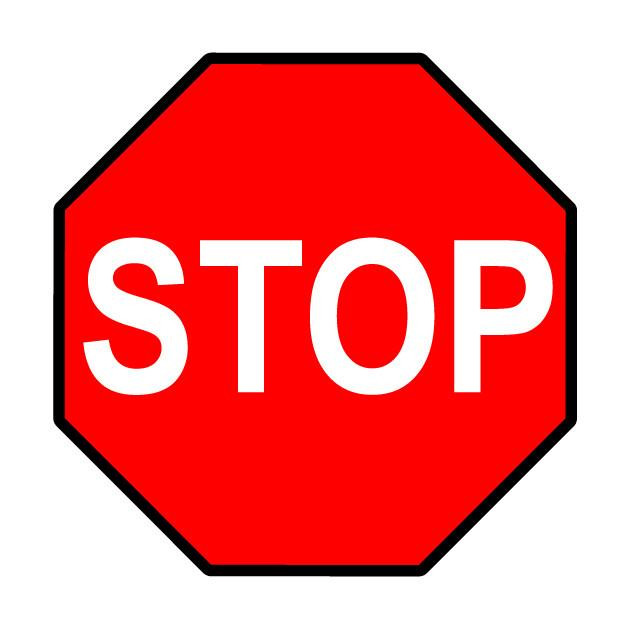
Pause for a moment. Try to catch yourself as soon as you notice a strong emotional reaction building. Many people find it helpful to imagine a red stop sign in their brain as a reminder to pause.
T – Take a Deliberate Breath
Take a slow, deep breath in through your nose. Allow your belly and chest to fill with air, then gently exhale through your mouth. Even one intentional breath can help calm the nervous system.
O – Observe
Notice what is happening in the moment. Pay attention to your thoughts, emotions, and body sensations without judging them. You don’t need to change anything—just observe what’s there.
P – Proceed Mindfully
Now that you’ve created space between the emotion and the reaction, you can choose how to respond. Proceed in a way that aligns with your values and goals, rather than reacting automatically.
Why the STOP Skill Helps
The goal of the STOP skill is to increase awareness of your emotions, notice where they show up in the body, and pause long enough to regain a sense of control. Instead of being driven by intense emotional reactions, you give yourself the opportunity to respond intentionally.
With regular practice, this skill can help reduce impulsive reactions, improve emotional regulation, and increase a sense of confidence in managing difficult moments.
Emotional regulation isn’t about suppressing feelings—it’s about learning how to respond to them in ways that work better for you.