As therapists, we often sit with people navigating the complex and tender terrain of loving aging parents, grandparents, or other family members. It’s a journey filled with a swirl of emotions—love and gratitude, yes—but also grief, frustration, helplessness, and guilt. It’s not always talked about, but it’s deeply human.
Watching someone we love grow older can be heartbreaking. We may notice their memory slipping, their bodies slowing, or their world getting smaller. Conversations may repeat, medical appointments multiply, and roles begin to shift—suddenly, the people who once cared for us now need our care. That shift can stir grief, even before loss arrives. It can feel like saying goodbye in slow motion.
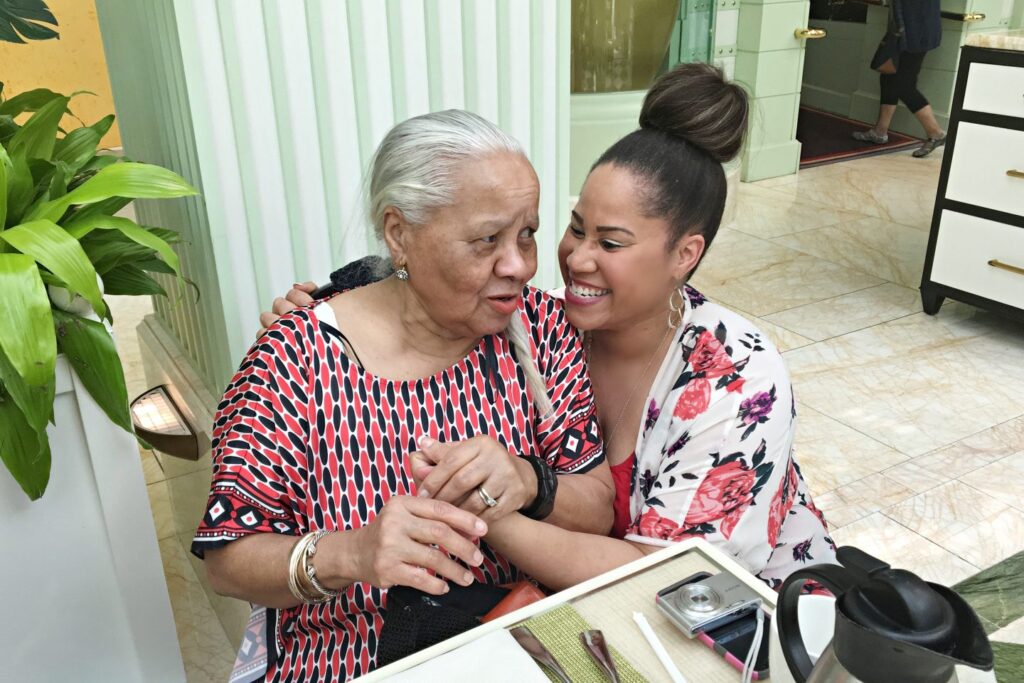
There’s also beauty here. Moments of deep connection, shared laughter, and the quiet intimacy of helping a loved one with daily tasks can be profoundly meaningful. There is grace in showing up for someone—especially when it’s hard. These moments remind us of what love in action looks like.
But loving our aging family members doesn’t mean losing ourselves in the process. It’s essential to tend to your own emotional well-being too. This kind of caregiving can stir up old wounds, test our patience, and stretch our capacity. It’s okay to feel overwhelmed. It’s okay to feel angry or sad. Those feelings don’t mean you’re doing it wrong—they mean you’re human.
Here are a few gentle reminders for this journey:
- Ask for help. You don’t have to carry it all alone. Whether it’s professional support, community resources, or just talking with a friend, sharing the load matters.
- Set boundaries with love. Caring doesn’t mean overextending yourself to the point of burnout. Clear limits can help preserve the relationship, not harm it.
- Make room for your feelings. Journaling, therapy, or just giving yourself space to cry can help release some of the emotional buildup.
- Celebrate the moments you can. A shared meal, an old story retold, a quiet moment of holding hands—these are small but powerful anchors.
Loving our aging family members is one of the most vulnerable and courageous things we do. It’s messy and real—and it can also be deeply beautiful. You’re not alone in it. And you deserve compassion, too.