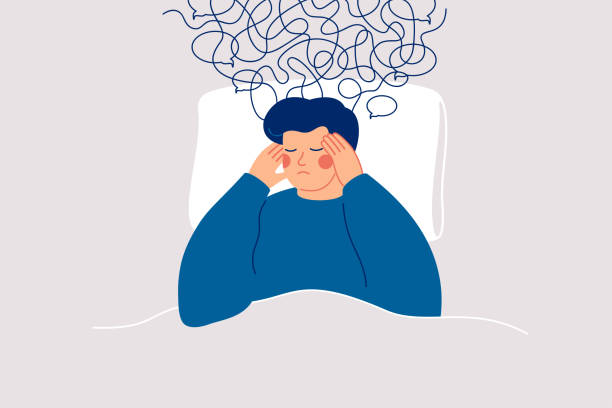
Something we commonly hear in our office is clients talking about how they feel exhausted all day but the second they lay down to go to bed at night, they can’t sleep. There are many times in our lives where sleep will be unavoidably interrupted through babies, sickness, hormonal change, caretaking, etc however, we know that when we can we should do our best to nurture sleep health.
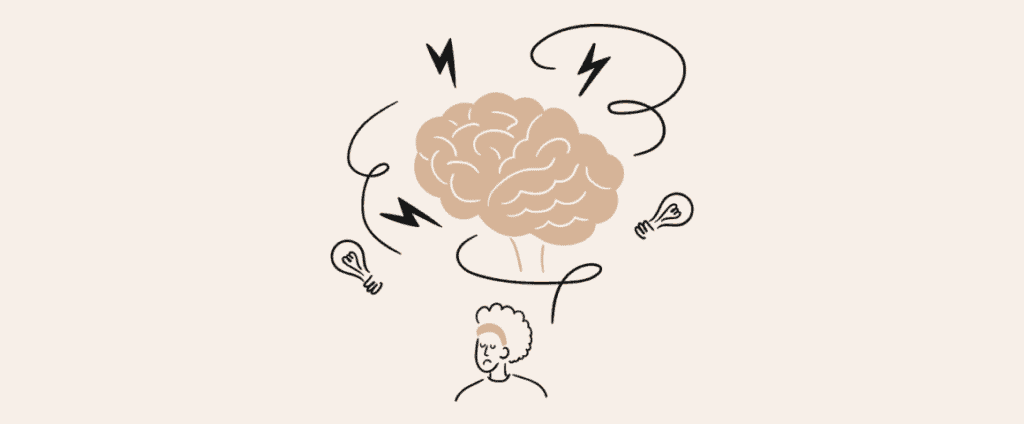
Sleep is foundational to emotional health. It impacts mood regulation, memory, focus, immune function, and how resilient we feel the next day. When sleep is off, everything feels harder, small stressors feel big, patience can run thin and anxiety can get louder. What is often happening is that our nervous system doesn’t know how to power down. Many of the people we work with are carrying full lives with high work demands, family responsibilities, a large mental load and unprocessed stress. When your body has been running on adrenaline and cortisol all day, it doesn’t simply flip a switch at 10:30 p.m. The brain stays in “problem-solving” mode, thoughts can begin to race, you replay conversations and begin to worry about tomorrow.
The other thing that can be at play at this point is clock watching where you take note of the time and start watching the hour and minutes tick away and now the fear of not sleeping becomes the thing keeping you awake.Your brain can interpret that worry as a threat which can increase your heart rate and your body releases more stress hormones. And just like that, a self-fulfilling prophecy begins: anxiety about sleep makes sleep less possible.We call this the sleep-anxiety loop.The more you try to force sleep, the more alert your nervous system becomes. It’s not a willpower issue, it’s biology.
Breaking the cycle doesn’t usually start with trying harder. It starts with shifting the relationship to nighttime itself. Learning how to calm the nervous system before bed by taking steps to begin to relax the mind and body at least 30 minutes before sleep. We talk to clients about taking a hot shower at night, making sure the lights are dim, putting the phone down, trying to read, meditating or listening to an audio book. We also suggest you do the work to create mental off-ramps from rumination by having a mantra to calm the brain or relaxing visualization you can practice focusing on. And finally, work on reducing the catastrophic thinking about having a bad night by reminding yourself that one imperfect night of sleep is survivable and that even laying in bed and relaxing is restorative in its own way.
Sometimes what keeps us awake isn’t a lack of exhaustion, it’s a surplus of pressure. When we reduce the fear around sleep and approach bedtime with more compassion and less urgency, the nervous system gradually learns that night is not a threat. And often, that sense of safety is what finally allows rest to return.