
Whether you’re new to therapy or just starting to explore the idea of getting support, we want to offer a simple explanation of how trauma affects the brain and why you might feel the way you do.
Trauma isn’t just about what happened to you — it’s about how your body and brain responded to it. Trauma can result from a single event, like an accident or assault, or from ongoing experiences, such as neglect, abuse, or chronic stress. What matters most is whether your nervous system felt overwhelmed and unable to cope.
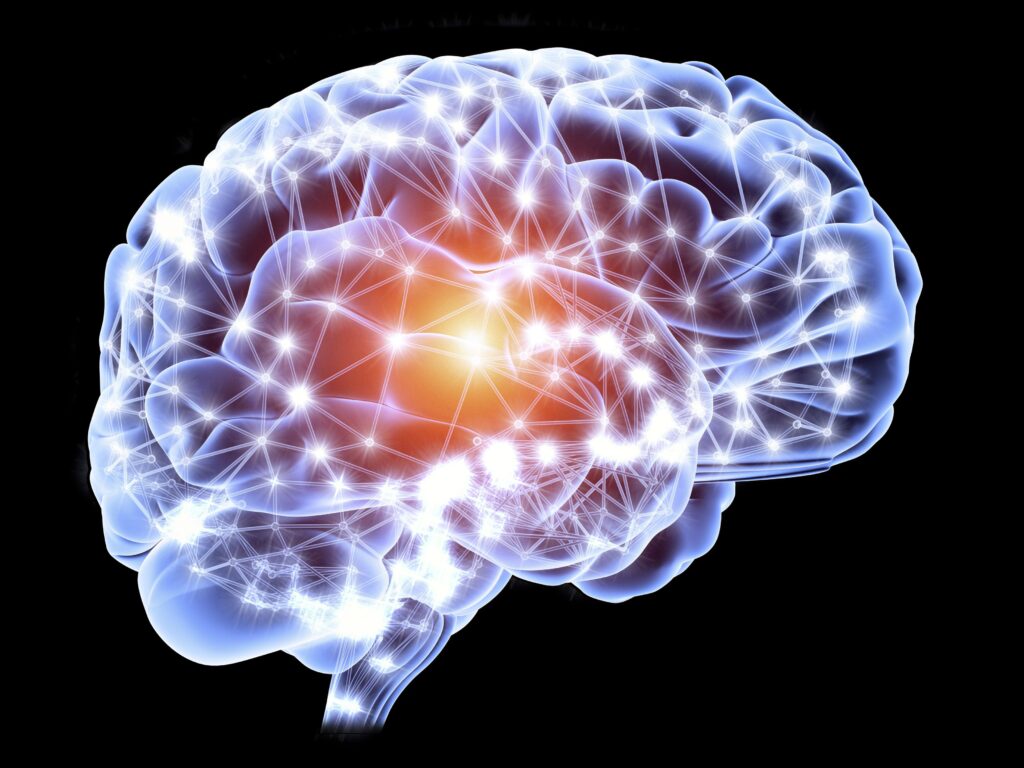
Our brains are designed to protect us. When we experience something threatening, the brain’s alarm system (mainly the amygdala) kicks in. It triggers a fight, flight, or freeze response — which can be life-saving in the moment. But when trauma is unresolved, the brain can get “stuck” in survival mode.
This means you might:
Feel on edge or easily startled
Struggle with memory or concentration
Avoid reminders of the past
Experience mood swings or numbness
Have difficulty sleeping or relaxing
These aren’t signs that something is “wrong” with you — they’re signs that your brain is doing its best to protect you, even if the danger has passed.
The good news? The brain is capable of change. Through therapy, we work together to calm the nervous system, process painful memories safely, and build new, empowering patterns. You’re not broken — you’re adapting. And with the right support, healing is absolutely possible.
If this resonates with you, we’re here to help. Whether you’re feeling overwhelmed, stuck, or just curious about your next steps, reaching out is a powerful first move.