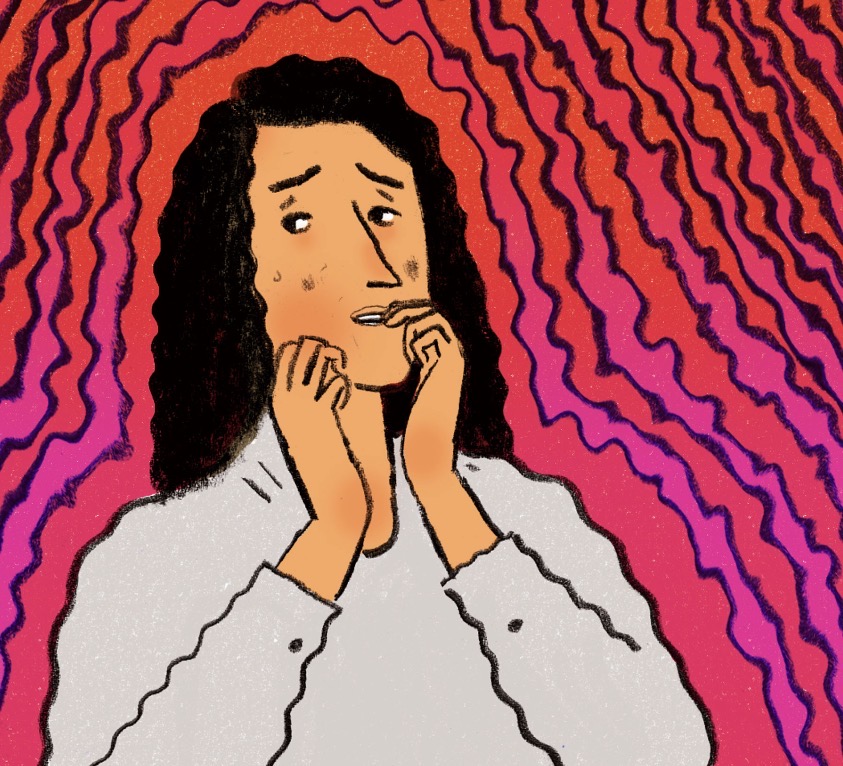
You’ve probably seen or heard about the parasite that has been making headlines recently. You may be wondering, Should I be worried? or Could this happen to me? Your brain may even be urging you to read article after article in an attempt to learn everything you can.
If so, you’re not alone. In fact, your brain is doing exactly what it was designed to do.
Our brains have something built into them called negativity bias. Thousands of years ago, paying close attention to potential threats was essential for survival. If our ancestors ignored danger, they risked injury or death. Their brains became highly skilled at noticing what could go wrong.
Although our world has changed dramatically, our brains often respond to threats in much the same way they did thousands of years ago. Today, the danger is less likely to be a saber-toothed tiger and more likely to be a frightening headline or a story spreading quickly on social media.
Because of our negativity bias, our brains tend to:
- Remember negative information longer.
- Pay more attention to potential danger.
- Overestimate the likelihood of rare but emotionally charged events.
- Continue searching for more information in an attempt to feel safe.
The tricky part is that while all of this can feel productive, it doesn’t always reduce anxiety. In fact, for many people, repeatedly searching for more information can actually make anxiety worse.
Being informed is healthy. Becoming consumed by fear is not.
The next time you find yourself deep in an internet search, ask yourself:
- Is this information helping me make a reasonable decision?
- Am I looking for facts, or am I looking for certainty?
- Has my research made me feel calmer—or more anxious?
If you notice yourself getting caught in a cycle of worry, remind yourself that your brain is doing what it was designed to do: protect you. It naturally pays attention to possible threats first. While there are certainly times when it’s important to be cautious and well-informed, it’s also important to recognize when your anxiety has shifted from gathering helpful information to fueling fear.
Instead of feeding the cycle with endless scrolling, consider limiting your exposure, seeking information from reliable sources, and returning your attention to the things you can actually control.
Understanding your negativity bias won’t make anxiety disappear, but it can help you recognize when your survival system is louder than the actual level of risk.
Educating yourself is important because it helps you make thoughtful, informed decisions. But if you find yourself obsessing over the information, give yourself permission to step away. Take a break from the articles, allow your mind to settle, and remind yourself of what you know to be true and what you can control.